By Gayla Cawley | gcawley@bostonherald.com | Boston Herald
An attorney for the Boston Police Department rejected increased calls from the City Council to release body camera footage tied to a fatal police-involved shooting that led the DA to file a rare manslaughter charge against a city cop.
Dave Fredette, general counsel for BPD, told councilors at a Tuesday hearing that the Suffolk District Attorney, Kevin Hayden, has jurisdiction over whether to release body cam footage tied to a death investigation, not the BPD commissioner, and that any public records requests issued to the department would be denied.
“The unfortunate incident that brings us all here today is a death investigation,” Fredette said. “As in all death investigations in Boston, the Suffolk County District Attorney’s office is the one who directs and controls that investigation.
“This particular case, (Suffolk DA Kevin Hayden) came out and he said in public that this case is going to go before a grand jury and no body camera video is going to be released prior to that. We need to abide by that under one of the exemptions under the public records law.”
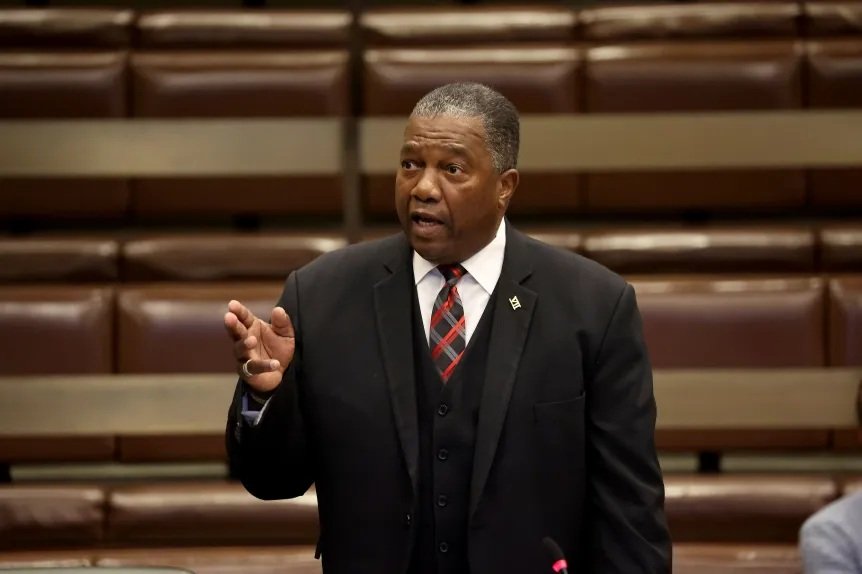
Councilor Miniard Culpepper disagreed, arguing that under BPD rules that govern the department’s body-worn camera program and state statute, the police commissioner is not required “to follow the direction of the district attorney” as it relates to releasing footage tied to public or Council records requests.
“What it says is in cooperation with, so the police commissioner has his own say about whether or not, even in a death investigation, whether that body camera footage gets released,” Culpepper said.
Fredette said the department rejected 300 of 800 body camera public records requests last year, and has the discretion under public records law to reject a request due to an investigative exemption — which it does in instances where releasing the footage would impact a criminal investigation
“The public records request has to take a backseat to the criminal process; the criminal process is what we have faith in,” Fredette said. “The investigation is always going to be paramount and take control.”
The day’s hearing was held on an order filed by Councilors Culpepper and Brian Worrell last month that called for debate to “examine the Boston Police Department’s protocols for releasing police body camera and dashboard camera footage.”
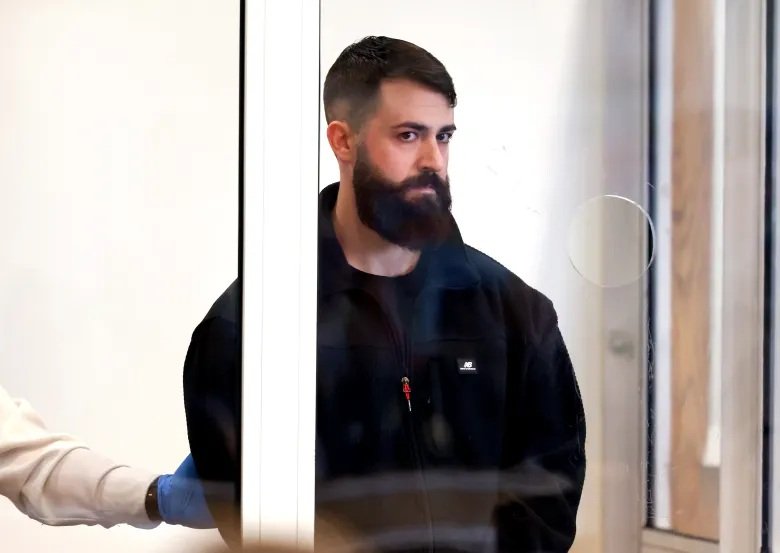
The order, and a similar resolution approved by the Council by a 9-3 vote last month, was sparked by the March 11 police-involved shooting that led to the death of Stephenson King, a carjacking suspect, and a manslaughter charge filed against the involved officer, Nicholas O’Malley.
Hayden has been criticized by O’Malley’s attorney for charging the officer before waiting for a grand jury indictment, and has faced blowback from the local police community, including the head of the city’s largest police union, the Boston Police Patrolmen’s Association, for taking the rare step to file charges against a cop.
The DA’s decision marked the first time a city cop has faced criminal charges for an on-duty death in “approximately 30 years,” according to Larry Calderone, president of the Boston Police Patrolmen’s Association.
Culpepper and Worrell have been calling for release of the body camera footage since the fatal shooting took place, and before the manslaughter charge, and pressed again for the police department to allow them to view the footage, as they said has been past practice for councilors following officer-involved shootings.
“As we’ve seen, when the footage is delayed or withheld, especially in moments of crisis, it creates confusion, frustration and a loss of trust in the very institutions we are working to strengthen,” Culpepper said, “because at the end of the day, this is about ensuring that the systems we put in place to promote accountability actually deliver on that promise.”
While some councilors argued that BPD policies around the release of body-camera footage in officer-involved shootings should be updated to more closely adhere to the spirit of the transparency advocates fought for, others who have publicly come out in support of the charged officer were more cautious.
“My position on this matter is, I believe the Boston Police and District Attorney, there should be a standard, a written standard of when this information is released to the public, and be consistent with that policy,” Councilor Ed Flynn said. “Don’t be selective and be transparent, be accountable and have a policy that works for everybody — for the police, for the district attorney, for the public, for the police officers as well.”
Kenneth Anderson, an attorney for O’Malley, the charged officer, said Tuesday that the defense is against releasing the body camera footage.
“My sole concern is that Officer O’Malley receive a fair trial in a venue that, unfortunately, has a strong anti-police sentiment,” Anderson said. “Releasing the video before his trial is likely to infringe on that fundamental right.”
Boston Police leadership did not accept the Council’s invite to testify at the hearing, instead opting to send a department attorney, which drew criticism from the day’s lead sponsor, Culpepper.
“I have to say that it’s disappointing that the police leadership is not here today because the core of the hearing are questions that the public asking over and over — questions that deserve answers, not just from legal counsel with all due respect, but from the leadership responsible for setting policy, making decisions and building trust with our communities,” Culpepper said.
“If we cannot have these conversations openly in public and with the people responsible for the decision-making,” Culpepper said, “then it becomes harder to build the very trust that body cameras were meant to strengthen.”